
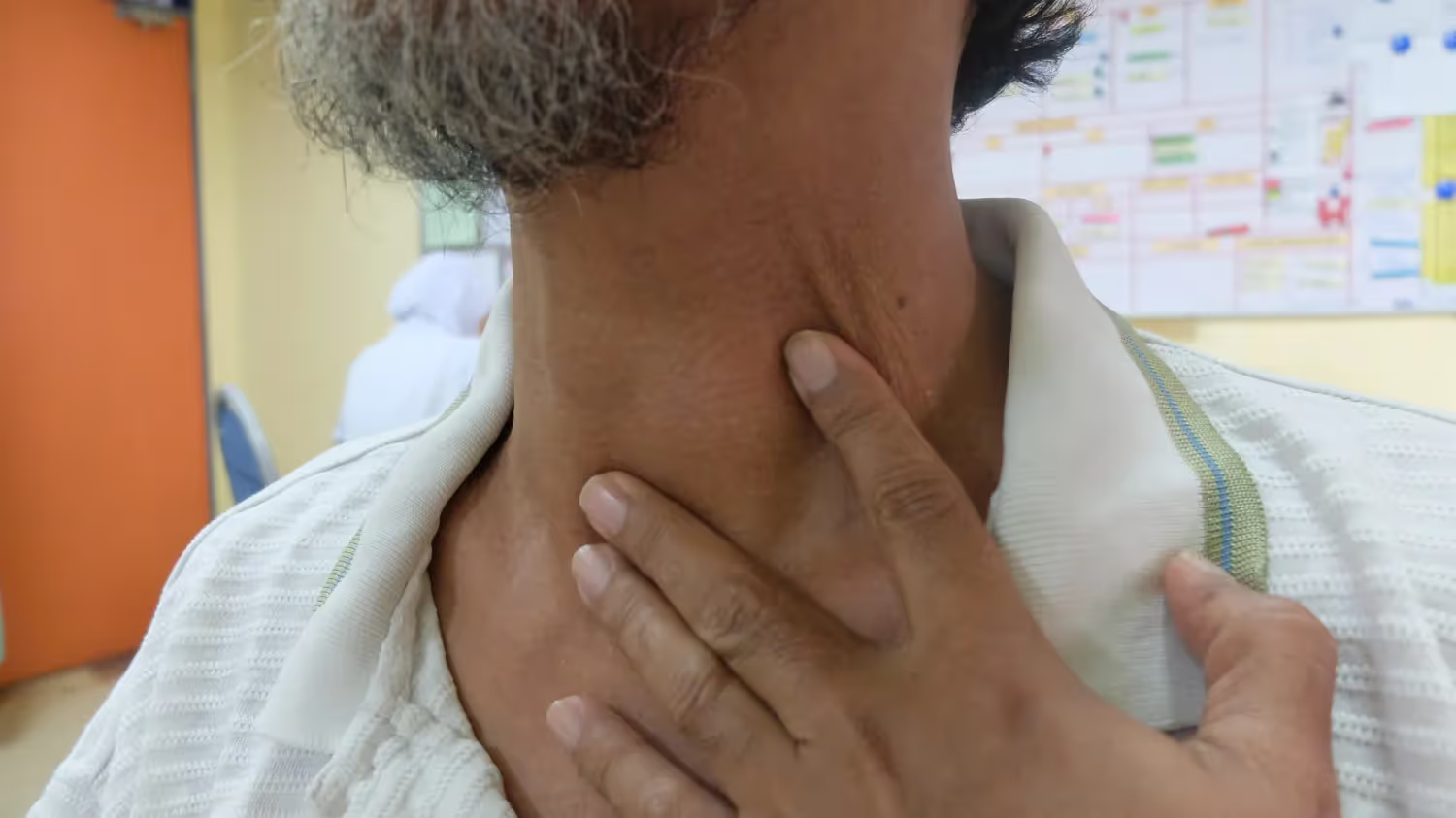
Swallowing Issues

If you’ve been finding it difficult or uncomfortable to swallow, you might be wondering what’s behind the problem. On this page, we’ll explain what dysphagia is, the common signs and causes, the treatment options available, and why getting the right diagnosis is key to improving your comfort and overall digestive health.
Header image

What is Dyphagia (Swallowing Issues)?

Dysphagia is the medical term for difficulty swallowing. If you’re living with dysphagia, you may feel as though food or drink is getting stuck somewhere along the way when you try to eat or drink. This sensation can happen in different ways: sometimes it feels like food or liquid lingers in the throat, while other times it seems to “stick” further down in the chest, within the oesophagus (the tube that carries food to your stomach). This can lead to discomfort, pain, or a feeling of pressure after swallowing.In many cases, the food or liquid eventually passes through, but sometimes it doesn’t, and it may come back up (regurgitation). People with dysphagia may also experience coughing, choking, or even a feeling of panic when swallowing doesn’t go smoothly. Dysphagia can occur involuntarily—because of an underlying medical condition—or, in some cases, it may be voluntary, such as when someone induces vomiting.

Why do people have difficulty swallowing (Dysphagia)?

There are many possible reasons why someone may struggle with swallowing, and identifying the underlying cause is an important first step in finding relief and managing symptoms. Dysphagia can arise from issues in the throat, oesophagus (food pipe), or even the nervous system. Some of the most common causes include:
Gastroesophageal reflux disease (GORD/GERD): Chronic acid reflux can irritate and narrow the oesophagus, making it harder for food and liquids to pass through smoothly.
Hiatus hernia: This happens when part of the stomach pushes up into the chest through the diaphragm, which can interfere with swallowing and cause reflux symptoms.
Achalasia: A rare condition where the valve at the end of the oesophagus doesn’t open properly, creating a blockage that prevents food and drink from reaching the stomach.
Pharyngeal dysfunction: Problems with the muscles in the throat can make it difficult to coordinate swallowing, leading to coughing, choking, or food “going down the wrong way.”
Neurological conditions: Disorders such as Parkinson’s disease, multiple sclerosis, or cerebral palsy can affect the nerves and muscles that control swallowing.
Stroke or head/neck injury: Damage to the brain, nerves, or swallowing muscles after a stroke or injury can result in long-term difficulties with eating and drinking.
In some cases, dysphagia may also be linked to ageing, certain cancers, or complications from surgery or radiotherapy in the head and neck area.

Dysphagia Diagnosis

If you’re experiencing ongoing problems with swallowing, it’s important to identify the exact cause. Different conditions can affect the oesophagus (food pipe) or the throat muscles in different ways, and having the right diagnosis is the first step toward effective treatment and relief.

At Gut Diagnostics, we use advanced investigations to assess how well your swallowing muscles and oesophagus are working. Two of the key tests we provide are:

Oesophageal Manometry

This test measures the function and coordination of your oesophagus—the muscular tube that carries food and drink from your mouth to your stomach. It helps identify conditions such as achalasia, oesophageal spasm, or problems caused by reflux.

Pharyngeal Manometry

This test looks at the upper part of the swallowing process, measuring how your pharynx (throat muscles) and upper oesophageal sphincter are functioning. It can reveal issues with muscle coordination or strength that may be causing choking, coughing, or the sensation of food “sticking.”
By carrying out these tests, Gut Diagnostics can provide clear answers about what’s happening inside your digestive system. With accurate results, your doctor can recommend the most suitable treatment plan—whether that involves lifestyle changes, medication, or specialist therapy.

What are the Triggers of Dysphagia?

While dysphagia itself usually requires medical assessment and treatment, there are some practical steps you can take at home to make eating and drinking safer and more comfortable. These strategies won’t cure the underlying problem, but they can help reduce discomfort and lower the risk of complications.

Typical Food and Drink Triggers

For many people, dysphagia is a long-term condition that requires changes to eating habits. Adapting food texture is one of the best strategies—avoiding meals that are too hard, dry, crumbly, or runny. Soft, moist dishes like stews, casseroles, and pasta are often easier to swallow and need little modification.

Foods that may be challenging with dysphagia:

Small, loose foods such as peas, corn, or rice
Tough or dry cuts of meat
Bread and other doughy foods that become sticky
Fibrous vegetables like cabbage or Brussels sprouts
Raw or firm fresh fruit

Ways to make them easier to swallow:

Meat: choose minced versions or slow-cook until tender
Vegetables: steam, stew, or mash to soften texture
Fruit: peel, stew, or puree for smoother consistency
Grains: replace dry rice with risotto, porridge, or soft pasta
Tip: Small adjustments can make eating safer and more comfortable. For tailored guidance, consider speaking with a speech and language therapist or dietitian.

What are the Lifestyle Triggers?

Typical Lifestyle Solutions

Adjust How You Eat: Take smaller bites, chew your food slowly and thoroughly, and avoid rushing meals. Softening foods—by mashing, blending, or choosing naturally softer textures—can also make swallowing easier.
Stay Upright: Try to remain sitting upright while eating and for at least 30 minutes afterwards. This position can make swallowing smoother and reduce reflux-related symptoms that often worsen dysphagia.
Know Your Triggers: If reflux plays a role in your swallowing difficulties, limiting foods such as spicy dishes, fatty meals, caffeine, and alcohol may help prevent irritation and discomfort.
Keep Hydrated: Sip small amounts of water throughout the day. Staying hydrated helps keep the throat moist and may make swallowing less effortful.
Therapeutic Support: A speech and language therapist (or in some cases, an occupational therapist) can play a key role in managing dysphagia. They can assess your swallowing function, teach you targeted exercises to strengthen the muscles involved, and provide personalised strategies to improve safety and comfort while eating and drinking.

By combining lifestyle adjustments with professional guidance, many people find they can manage their symptoms more effectively and improve their overall quality of life.

Medication for Dysphagia

If your swallowing difficulties are linked to gastroesophageal reflux disease (GORD), reducing acid reflux can often improve symptoms, although it may take time for any inflammation in the oesophagus to heal.

Lifestyle changes are the first-line approach:

  • Avoid trigger foods and drinks such as alcohol, caffeine, fatty, or spicy foods.
  • Quit smoking if you can.
  • Eat smaller, more frequent meals.
  • Stay upright for at least 30 minutes after eating to reduce reflux.

Medications can provide additional support:

  • Over-the-counter antacids can neutralise stomach acid and offer quick relief.
  • If you rely on antacids regularly, talk to your doctor about prescription options.
  • Proton pump inhibitors (PPIs) and H2 receptor antagonists reduce acid production in the stomach, helping prevent reflux and allowing the oesophagus to heal.

Combining lifestyle adjustments with the right medications often provides the best outcomes for managing GORD-related dysphagia.


What are your Treatment Options for Swallowing Issues (Dysphagia)?

While most cases of dysphagia are managed with lifestyle changes, dietary adjustments, or medications, surgery may be considered when these measures are not enough, or when the underlying problem is structural or severe. Surgical treatment is usually reserved for conditions such as:
Severe hiatus hernia
Oesophageal cancer
Oesophageal stricture (narrowing of the oesophagus)
Achalasia (a blockage at the lower oesophageal sphincter)

Hiatus Hernia:

Surgery can involve a fundoplication, which tightens the junction between the stomach and oesophagus to prevent acid reflux. Another option is the LINX device, a small ring of magnets placed around the junction to support normal swallowing while reducing reflux.

Gut Diagnostics does not perform surgery but can refer you to a specialist.

Achalasia and Oesophageal Strictures:

These conditions may require dilation, where the narrowed area is gently stretched, or a myotomy, where a small incision is made in the muscle to allow food to pass through more easily.

Gut Diagnostics does not perform surgery but can refer you to a specialist.

Oesophageal Cancer:

Depending on the stage, treatment may involve chemotherapy or radiotherapy. Surgery to remove the cancer is considered if the tumour has not spread to surrounding tissues, aiming to restore swallowing function and improve outcomes.

Gut Diagnostics does not perform surgery but can refer you to a specialist.

Frequently asked questions

Everything you need to know about the product and billing.
What is dysphagia?
Dysphagia is the medical term for difficulty swallowing. It can involve trouble moving food or liquid from the mouth to the stomach, a sensation that food is stuck, coughing or choking while eating, or pain when swallowing.
What are the common causes of dysphagia?
Dysphagia can be caused by conditions affecting the throat or oesophagus, such as GORD (acid reflux), achalasia, strictures, hiatus hernia, neurological disorders (e.g., Parkinson’s disease, stroke), or head and neck injuries. It can also be linked to ageing or cancer.
What are the main symptoms of dysphagia?
Symptoms may include:

-Feeling food or drink sticking in the throat or chest
-Coughing, choking, or gagging when swallowing
-Regurgitation of food
-Pain or discomfort while eating or drinking
-Unexplained weight loss or dehydration
How is dysphagia diagnosed?
Diagnosis usually starts with a clinical assessment, including a review of your symptoms and medical history. Tests may include barium swallow X-rays, endoscopy, or manometry to measure muscle function in the throat and oesophagus.
Can dysphagia be treated without surgery?
Yes. Treatment often starts with lifestyle and dietary changes, such as modifying food textures, eating smaller meals, staying upright after eating, avoiding trigger foods, and practising swallowing exercises. Medications may also help if reflux or inflammation is contributing.
When is surgery considered for dysphagia?
Surgery is usually a last resort, recommended for severe cases that cannot be managed with lifestyle changes or medication. Common surgical indications include severe hiatus hernia, achalasia, oesophageal strictures, or oesophageal cancer.
Can dysphagia be managed at home?
Some strategies can help manage symptoms at home, such as chewing food thoroughly, taking small bites, drinking plenty of fluids, and avoiding problematic foods. However, it’s important to work with a doctor or speech and language therapist for safe swallowing techniques and personalised guidance.
Are there complications if dysphagia is left untreated?
Yes. Untreated dysphagia can lead to choking, aspiration pneumonia (from food or liquid entering the lungs), malnutrition, dehydration, and a reduced quality of life. Early diagnosis and management are important to prevent these risks.

More Information

Can’t find the answer you’re looking for? Please chat to our friendly team.

See what our patients have to say.

"On time, clear & precise , I felt relaxed and comfortable , and he was easy to speak to."
Verified on Doctify
16 January 2025
"A high level of skill coupled with a calm professionalism made my first colonoscopy a relatively straightforward experience."
Verified on Doctify
06 November 2025
"Excellent service from initial consultation through to my procedure."
Verified on Doctify
12 November 2025
"A very useful experience everything explained well, no problems, pleasant Doctor."
Verified on Doctify
02 February 2026
"My visit was well organised with a brief consultation and blood test."
Verified on Doctify
11 August 2025
"I am very pleased with every aspect of the treatment and care I received."
Verified on Doctify
25 July 2025
"I was worried coming in but everyone was very welcoming and made me relax and the procedure was much quicker than expected."
Verified on Doctify
25 June 2025
"Wonderful experience from start to finish. Everything was explained very clearly and reassuring."
Verified on Doctify
13 June 2025
Throughout all this he has been very professional, friendly and extremely supportive. It all was a very positive experience. Thank you.
Verified on Top Doctors
11 December 2025
One of the few doctors I have seen whom I truly feel listened to, empathised with and whom I can trust to look after my health and get to the bottom of what's wrong. Thank you so much!
Verified on Top Doctors
6 December 2025
"The water based technique for colonoscopy enabled me to be cured without trauma of surgery. I am eternally grateful."
Verified on Top Doctors
24 November 2025
"All the staff were amazing, friendly and professional."
Verified on Top Doctors
21 November 2025
"Professional, calm, and reassuring, explained everything clearly, and I didn’t feel a thing. Outstanding care throughout, I can highly recommend him."
Verified on Top Doctors
31 October 2025
"Outstanding care throughout, I can highly recommend him."
Verified on Top Doctors
31 October 2025
"I would definitely recommend and thank them for the care and attention"
Verified on Top Doctors
12 October 2025
"Very personable and professional from the start and made me feel at ease immediately. He’s quickly got me through the process and I couldnt be more impressed."
Verified on Top Doctors
9 October 2025

Our Flagship Clinic

At Gut Diagnostics, we are a dedicated team of gut health specialists, bringing together advanced diagnostics and compassionate care.

Our flagship clinic is proudly based at The Priory Hospital, a renowned centre of medical excellence. This prestigious setting provides our patients with access to state-of-the-art facilities, a safe and regulated environment, and the support of a leading multidisciplinary healthcare team.

Our specialists are here to guide you on your journey to better digestive health.