
.avif)
.avif)
.webp)

.webp)
.avif)
.avif)
GORD develops when the lower oesophageal sphincter — the muscular valve that normally keeps stomach contents from moving back up — doesn’t close as it should. When this valve is weak or relaxes inappropriately, acid and digestive juices can flow into the oesophagus, leading to irritation and discomfort.
A number of factors can increase the risk of this happening, making some people more prone to GORD than others:
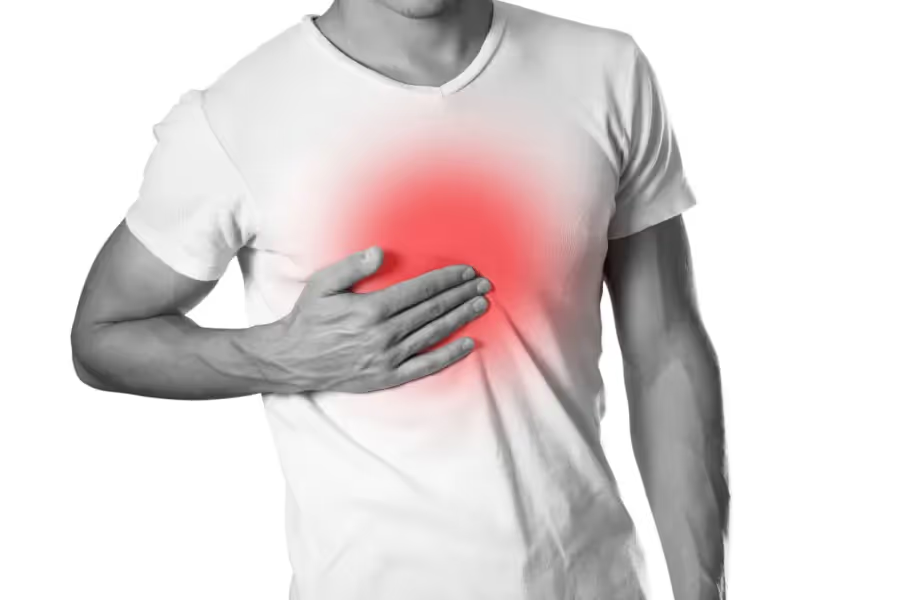
Heartburn is one of the most common symptoms of gastro-oesophageal reflux disease (GORD), which occurs when stomach acid flows back into the oesophagus. It can also cause regurgitation, chest pain, a sour taste in the mouth, and difficulty swallowing. GORD affects up to 20% of people and is often linked to hiatus hernia. While diet changes, lifestyle adjustments, and antacids may ease symptoms, persistent reflux can lead to complications such as Barrett’s oesophagus or, in rare cases, oesophageal cancer.
.avif)
.avif)

GORD symptoms are often worsened by certain foods, drinks, or habits. Identifying your personal triggers can be key to managing the condition effectively. Although triggers can differ from person to person, there are several common ones that many people with GORD should be aware of.
Everyday habits can play a big role in triggering or worsening GORD. Making small adjustments to these behaviours can often help lessen how often symptoms occur and how severe they feel:
.avif)
.avif)
Small adjustments to daily habits can make a big difference in reducing reflux. Helpful strategies include:
When lifestyle changes aren’t enough, medications can help control acid and protect the oesophagus:
Gut Diagnostics does not prescribe medication but can refer you to a specialist.
For persistent or severe GORD, surgery may provide lasting relief by strengthening the lower oesophageal sphincter (LES):
Gut Diagnostics does not perform surgery but can refer you to a specialist.