
%20(1).webp)
A colonoscopy is a diagnostic procedure used to examine the inside of the large intestine (colon and rectum). It helps doctors investigate symptoms such as bowel changes or bleeding, screen for bowel cancer, and sometimes treat or remove abnormalities during the same procedure.
At Gut Diagnostics, we aim to make the process as clear and straightforward as possible so you know exactly what to expect.
Preparation is an essential part of a successful colonoscopy. In the days leading up to your appointment, you will usually be asked to follow a low-fibre diet and then switch to clear fluids the day before the test.
You will also take a prescribed bowel preparation (a laxative solution) to completely clear the bowel. This step is important because a clean colon allows your specialist to clearly see the bowel lining.
On the day of your appointment, you will need someone to accompany you, as sedation is commonly used and you will not be able to drive afterwards.
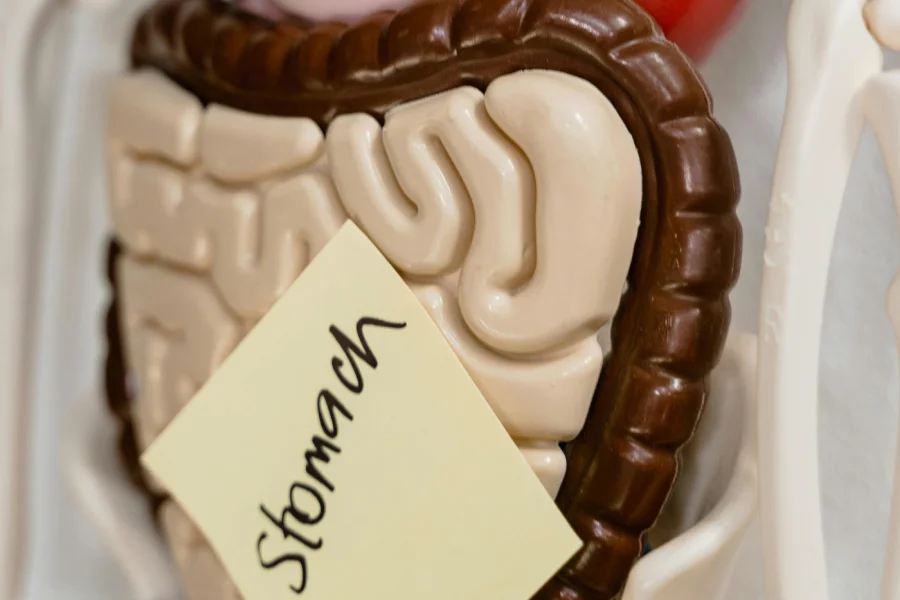
A colonoscopy is carried out using a thin, flexible tube called a colonoscope. This has a light and camera at the tip, which allows your doctor to view the inside of your bowel on a screen in real time.
During the procedure:
The procedure typically takes between 30 and 60 minutes, depending on whether any additional treatment is required.
A colonoscopy is not only used for diagnosis but can also be therapeutic. If anything abnormal is found, your doctor may be able to treat it immediately.
This may include:
Most patients do not feel pain during the procedure due to sedation. You may feel some pressure, bloating, or mild cramping as the bowel is gently inflated, but this is usually well tolerated.
After the colonoscopy, you will rest while the sedation wears off. Once you are fully awake, you can usually go home the same day with your accompanying adult.
It is normal to feel mild bloating or tiredness afterwards. Most people return to normal activities the following day.
In many cases, your doctor will discuss initial findings with you before you leave. If biopsies have been taken, results may take a few days.
A colonoscopy is a safe and effective procedure that allows specialists to examine the large bowel in detail, diagnose symptoms, and often treat issues at the same time. While preparation is the most important part of the process, the procedure itself is usually straightforward and well tolerated.
If you are experiencing persistent digestive symptoms, a colonoscopy can provide clear answers and help guide the next steps in your care. Speak to Gut Diagnostics today to find out if a colonoscopy is right for you and get the answers you need about your digestive health.